


















Marketo is a powerful platform — but only if it’s implemented correctly. The real risk isn’t the tool, it’s the failure to align your people, processes, and tech.
What this article covers:
This guide shares how to choose and work with a Marketo implementation partner, avoid common pitfalls, and build a scalable automation strategy that delivers results from day one.
Quick answer:
A successful Marketo implementation requires a strategic roadmap, CRM integration, aligned teams, and ongoing training — ideally guided by an experienced Marketo implementation partner.
What you’ll learn:
- Why implementations fail and how to avoid it
- How to choose the right Marketo implementation partner
- What a complete implementation plan includes
- How to ensure long-term value beyond setup
No hidden surprises with our experts
What is a Marketo implementation?
Implementing Marketo Engage means more than turning on the software. It includes aligning people, processes, and platforms to deliver measurable marketing outcomes.
Key components:
- Strategic roadmap development
- Technical setup and CRM integration
- Email and landing page templates
- Lead scoring and nurturing workflows
- Reporting and ROI tracking
- Ongoing team training and enablement
Best in class automation
What is Marketo Engage?
Marketo Engage is Adobe’s enterprise-grade marketing automation platform part of the B2B marketing technology suite built to engage B2B buying groups at scale, across every touchpoint.

Setting up for implementation success
Preparing for implementation
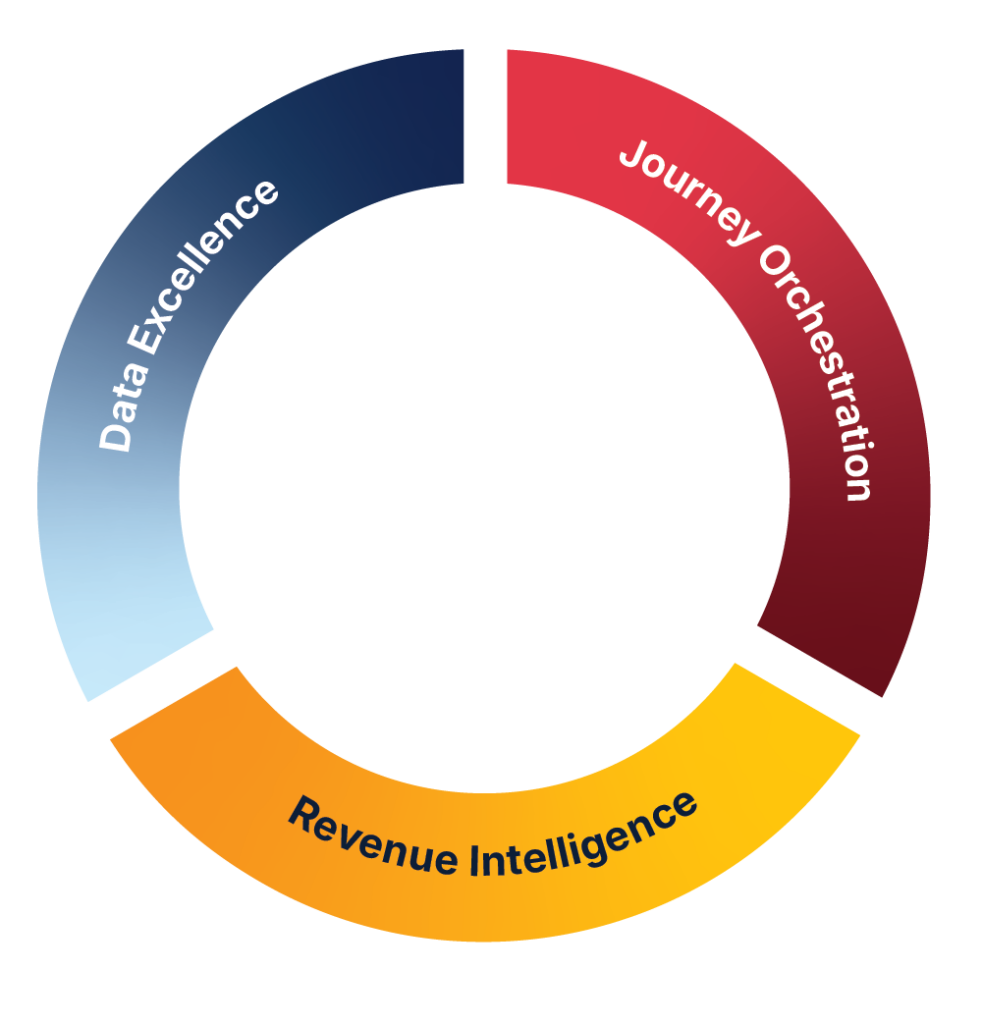
Successful Marketo implementation isn’t just a matter of getting the platform live — it’s about laying the foundations for scalable, data-driven revenue growth. JTF’s Revenue Acceleration Loop places strategic alignment at the centre of every implementation, ensuring the right inputs, systems, and insights are in place from day one.
Assess Organisational Readiness Through a Revenue Lens
Before diving into setup, it’s crucial to understand where your business sits today — across people, processes, platforms, and pipeline performance. A readiness assessment uncovers what’s working, what’s missing, and what’s holding back revenue velocity.
Key readiness indicators:
- Marketing maturity & data quality – Can you trust your database to drive segmentation, scoring, and attribution?
- Sales & leadership buy-in – Do all stakeholders understand how marketing automation contributes to revenue?
- Process documentation – Are your lifecycle stages, handoffs, and campaign workflows clearly defined?
- Marketing & RevOps collaboration – Are shared goals and reporting frameworks already in place?
Why Strategy, Not Technology, Determines Implementation Success
Most failed implementations aren’t caused by platform limitations — they stem from a lack of strategic alignment. Without a clear plan for how Marketo will drive qualified pipeline and connect to revenue outcomes, even the best configuration will underperform.
Define Short-, Mid-, and Long-Term Objectives
The Revenue Acceleration Loop helps teams think in horizons:
- Short-term (0–3 months): Activate core campaigns, integrate CRM, and get early insights flowing.
- Mid-term (3–12 months): Build out nurture programs, implement lead scoring, and launch attribution.
- Long-term (12+ months): Optimise cross-channel journeys, scale personalisation, and model marketing’s contribution to revenue.
By anchoring your implementation to these goals, you avoid the trap of launching fast but scaling slowly — and ensure your automation efforts deliver real commercial impact.
Get up & running in less than 6 weeks
Marketo implementation phases
Phase 1 – Strategy & Planning
- Define business goals
- Map customer journeys
- Set KPIs and marketing objectives
Phase 2 – Technical Setup
- Instance setup
- Workspace and role configuration
- Email and landing page template library
Phase 3 – CRM & Tech Stack Integration
- Aligning Marketo with Salesforce, Dynamics, or custom CRMs
- Ensuring real-time data flow
- Setting up custom objects and field mappings
Phase 4 – Campaign & Program Enablement
- Subscription centres
- Scoring and nurturing workflows
- Test campaigns and pilot programs
Phase 5 – Education & Change Management
- Initial training by role (marketing, ops, sales)
- Use-case walkthroughs
- Long-term enablement plans
Phase 6 – Reporting & Optimisation
- Build dashboards and campaign reports
- Set up multi-touch attribution
- Regular review and refinement cadence
Fixing a failed Marketo implementation
Common pitfalls
Poor data hygiene
If your database is cluttered with duplicates, outdated records, or inconsistent field values, your automation efforts will quickly fall apart. Clean data is the foundation of reliable scoring, segmentation, and reporting.
Misaligned sales and marketing
When sales and marketing don’t agree on lead definitions, handoff points, or KPIs, even the best automation won’t convert. A shared strategy and regular communication are essential.
Lack of clear ownership or documentation
Without assigned roles and documented processes, campaign execution becomes chaotic. Key knowledge lives in people’s heads, leading to delays, errors, and inconsistent results.
Insufficient CRM integration
If your CRM and Marketo aren’t speaking the same language, expect broken workflows, reporting gaps, and frustrated teams. Integration should be a core focus, not an afterthought.
Underinvestment in training
Marketo is powerful — but only in the hands of trained users. Without ongoing enablement, teams struggle to scale automation, troubleshoot issues, or adopt new features.
Failing to plan beyond the launch phase
A go-live date is not the finish line. Without a post-implementation roadmap, teams quickly stagnate, and the platform’s full potential is never realised.
Learning Marketo made easy
Education: the secret to success
Implementing Marketo Engage is only the beginning. Real success comes when your internal teams know how to use the platform with confidence, consistency, and commercial focus. That’s why JTF doesn’t just offer product training — we provide a structured learning path, complete with certification readiness, role-specific mentoring, and ongoing enablement designed to foster a culture of performance.
Beyond product training
It’s not enough to know which buttons to press. Your teams need to understand the why behind every workflow — from how lifecycle stages align to pipeline, to which reports tie back to revenue outcomes.
We support:
- Process enablement – helping teams connect platform actions to strategic goals
- Cross-functional education – aligning marketing, sales, and RevOps on shared metrics and handoffs
- Campaign planning – giving users the tools to scale with confidence
Creating a culture of automation
Automation maturity isn’t a checkbox, it’s a mindset. That’s why we help you embed best practice thinking across the organisation, ensuring automation becomes a strategic priority, not just a marketing initiative.
We help:
- Gain stakeholder buy-in through outcomes-based planning
- Position automation as a driver of growth across the Revenue Acceleration Loop
- Build an internal model for ownership, governance, and measurement
Bite-sized learning with impact
One-off training sessions don’t stick. That’s why JTF offers a modular learning path tailored to your business, your tech stack, and your people.
Our enablement includes:
- Use-case-driven training mapped to your marketing goals
- On-demand mentoring and campaign reviews for real-time learning
- Certification readiness programmes to upskill users and validate expertise
- Internal champion development to build momentum and self-sufficiency
Certified Experts in Adobe Marketo
Why partner with JTF?
- We’re trusted by Adobe’s own customer success team
- We’ve fixed more failed implementations than we can remember.
- Our approach is backed by the Revenue Acceleration Loop
- We go beyond the tech — helping you define strategy, align teams, and build maturity
- We’re marketers first — not just technologists
- Our team are:
- Marketo Champions
- Adobe B2B Advisory Board Members
- And, Marketo User Group Leaders






Tips from our Marketo Experts
Frequently asked questions
A well-scoped implementation can take 6–12 weeks, depending on data quality, CRM complexity, and internal resources.
Lack of a clear strategy and poor alignment with sales and IT are the biggest culprits.
If your team lacks prior Marketo experience or time for planning, a partner ensures faster ROI and fewer costly mistakes.
Costs vary by scope, but we tailor packages to fit needs from basic to enterprise-level implementations.
Yes — JTF has extensive experience managing data, content, and logic migrations from other platforms.
Where to begin…
Implementing Marketo Engage is a pivotal moment for your marketing team — but it’s also where many businesses go wrong. Rushing setup, skipping strategy, or underestimating the importance of education leads to missed opportunities and wasted spend.
With a structured approach, a clear roadmap, and expert support, your Marketo implementation can become the foundation for scalable, revenue-generating marketing operations. Whether you’re just getting started or re-implementing after a failed attempt, the key is to prioritise alignment, integration, and long-term maturity.
Next step? Explore how the Revenue Acceleration Loop can guide your automation strategy & implementation — or book a call with JTF to assess your readiness today.