
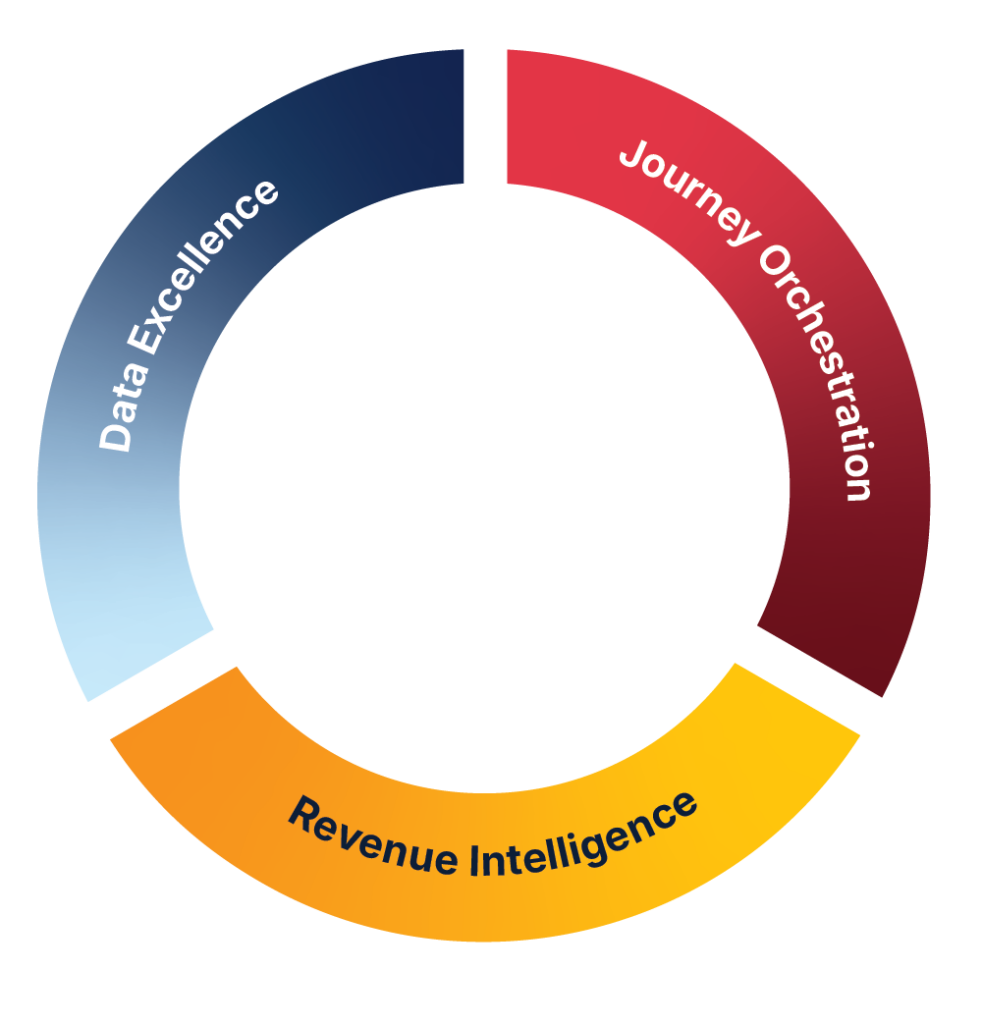



















Marketo Lead Scoring That Actually Drives Revenue (Not Just Sales Handovers)
Every lead looks promising until you realise not all convert—and not all deserve equal attention. At a time when CMOs and demand gen teams are expected to prove revenue impact, lead scoring is no longer a “nice to have.” It’s the foundation of smarter prioritisation, strategic alignment, and measurable ROI.
This article explores how to harness Marketo lead scoring to power your demand generation engine beyond just sales handovers—fueling revenue strategies, improving attribution, and building full-funnel visibility.
Quick answer:
Marketo lead scoring enables marketers to quantify lead quality, boost ROI, and align sales + marketing by prioritising leads with behavioural and demographic data.
What Is Marketo Lead Scoring?
Marketo lead scoring is a system that assigns numeric values to leads based on criteria like profile fit and engagement. It helps marketing teams:
- Identify sales-ready leads faster
- Tailor nurture campaigns based on readiness
- Align campaigns with CRM data and buyer journeys
- Generate real-time insights to guide strategy
By combining demographic filters with behavioural signals, you create dynamic scoring models that evolve alongside your funnel.
Why Lead Scoring Is More Than Just a Sales Filter
In many organisations, lead scoring is viewed as a way to pass qualified leads to sales. But that’s only one part of the picture. A well-constructed scoring model can also help marketers:
- Optimise campaign performance by understanding what actions signal intent.
- Refine audience segmentation for more personalised nurture paths.
- Improve reporting clarity by tying scored leads to revenue outcomes.
- Reduce churn and drop-off by identifying friction points in customer journeys
According to Marketing Sherpa, CMOs who implemented lead scoring saw a 138% improvement in ROI—a strong indication that its impact reaches beyond the handoff.
Core Features of Lead Scoring in Marketo
Marketo offers robust capabilities for creating, automating, and reporting on lead scores. Some of the most commonly used features include:
Behavioral Scoring
Marketo can assign points based on engagement actions such as visiting key pages, attending webinars, or downloading gated content. These scores adjust in real time to reflect changing intent.
Demographic Profiling
By integrating data like job role or company type, demographic scoring helps teams prioritise prospects that fit their ideal customer profile—filtering out low-fit leads before they reach sales.
Sales Readiness Models
Combining behavioral and demographic data lets you build composite models that identify sales-qualified leads with more nuance, reducing guesswork and manual review.
CRM Integration
Scoring systems are most effective when aligned with CRM platforms. Clean syncing ensures that sales teams receive accurate scores—and context—when reaching out to leads.
Journey-Based Adjustments
Marketo allows scores to change dynamically based on lead activity or inactivity. This helps marketers react to shifting behaviour and adjust nurturing strategies in response.
Reporting & Attribution
Scoring can be paired with custom reports and attribution frameworks to evaluate how top-scoring leads progress through the funnel, and which sources are contributing most to revenue.

Make lead scoring work for you in Marketo
Webinar on Demand: Make lead scoring work for you in Marketo
Turn your lead scoring guesswork into a precision engine for pipeline performance—watch the webinar and start qualifying what really converts.
- The key elements of successful lead scoring
- Common pitfalls of lead scoring models
- Crafting custom models in Marketo
- Building a lead scoring model that perfectly fits your business
Best Practices for Building Your Scoring Strategy
If you’re building or refining lead scoring in Marketo, consider these foundational tactics:
- Align on scoring criteria early with input from both marketing and sales teams
- Test attribution models to make sure they reflect your actual customer journeys
- Ensure tight CRM integration with clean field mapping and regular deduplication
- Avoid one-size-fits-all scoring—consider persona-specific models where useful
- Use reporting for strategy, not vanity—track scored leads all the way to revenue
Marketers should also regularly audit their scoring logic to make sure it reflects current engagement trends and business priorities.
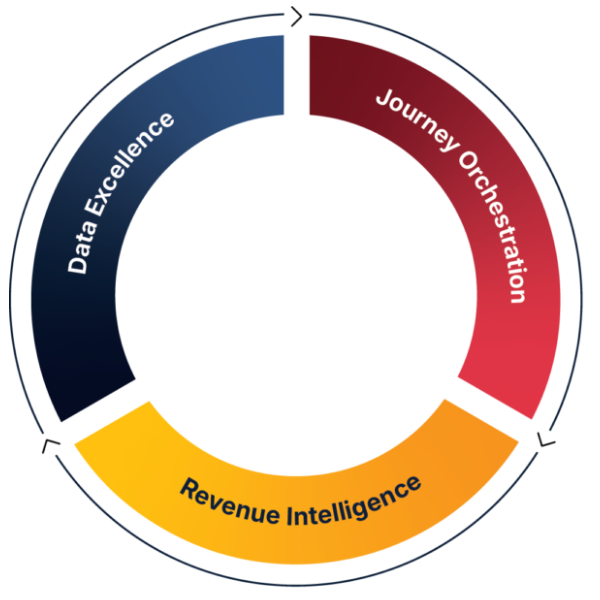
JTF’s Revenue Acceleration Loop
Why JTF for Marketo Lead Scoring?
JTF blends technical implementation expertise with strategic oversight to deliver scoring models that don’t just work—they prove performance.
- Specialists in Marketo Engage and B2B attribution strategy.
- Experts in CRM integration, deduplication, and data mapping
- Explore the Revenue Acceleration Loop — a framework for turning scoring into strategic growth
- Revenue Focus: JTF isn’t just a tech partner—they’re a growth partner focused on ROI and long-term success.
Unlike typical consultancies, JTF doesn’t just help build scoring models. They help marketers tell the revenue story behind them.
Conclusion
Marketo lead scoring is a powerful tool for modern B2B marketing teams—not just to filter prospects, but to gain deeper insight into buyer intent, campaign effectiveness, and marketing’s role in driving growth. With thoughtful design and cross-team collaboration, lead scoring becomes more than a technical feature—it becomes a strategic asset.
If you’re rethinking your scoring model or evaluating performance gaps, a scoring audit or journey map can help clarify next steps. And if you’re exploring broader alignment with your CRM and reporting tools, digging deeper into your data might reveal some quick wins.
Frequently Asked Questions
It’s a system for assigning points to leads based on fit and engagement, helping teams prioritise and personalise their follow-up strategies.
Start by defining key criteria, create score fields, and build smart campaigns that adjust scores as leads interact with your assets.
Yes. Research shows strong links between scoring and ROI improvement, especially when models are tied to real business outcomes.
Definitely. Scoring helps identify where leads are in their journey, enabling more relevant messaging and better timing.
Regularly—especially when launching new campaigns, changing target audiences, or seeing shifts in buyer behaviour.
SPEAK TO SOMEONE WHO ACTUALLY GETS IT.
Need help?
No fluffy sales pitch. No pressure. Just straight-talking marketing technologists who live and breathe Adobe. Whether you’re planning a rollout or fixing what’s not working, we’re here to help you get the most from your stack. So go on, don’t be shy!
You’ll talk to a consultant, not a salesperson.